Leasing vs. Buying a Vehicle | Sands Ford of Pottsville
Leasing vs. Financing in Pottsville: Choosing the Right Path
One of the most important decisions when upgrading your vehicle is deciding whether to lease or finance. Both options offer distinct financial advantages depending on your driving patterns, lifestyle habits, and long-term ownership goals.
At Sands Ford of Pottsville, we believe in complete financial transparency. Whether you prefer the flexibility of driving a brand-new Ford every two to three years with Red Carpet Lease or the long-term equity that comes with traditional vehicle financing, our finance experts are here to help you make an informed choice.
Explore our detailed side-by-side comparison and comprehensive FAQs below to evaluate total costs, mileage flexibility, customization rules, and vehicle equity.
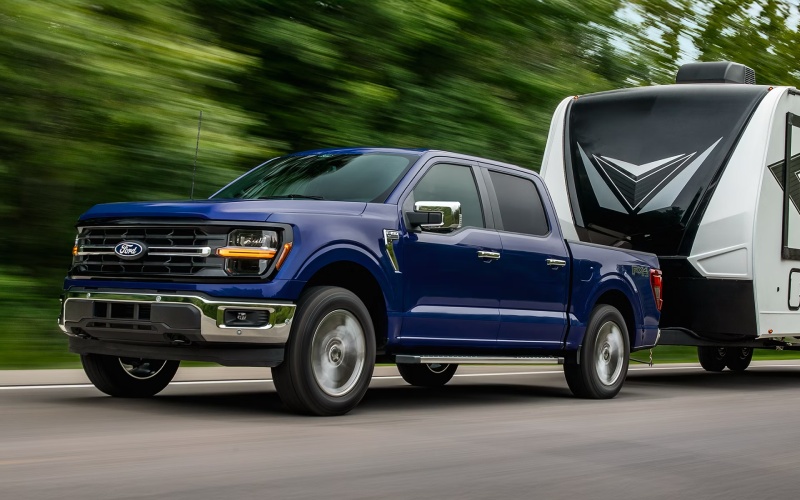
Side-by-Side: Leasing vs. Buying Breakdown
| Comparison Metric | Leasing (Ford Red Carpet Lease) | Buying (Traditional Auto Financing) |
|---|---|---|
| Primary Ownership | You are renting the vehicle's usable life during the lease term, returning or purchasing it at maturity. | You own the car outright once the retail installment loan contract is fully satisfied. |
| Monthly Payments | Typically lower, since payments only cover anticipated depreciation plus a rent charge (money factor). | Higher monthly payments, since each payment pays down the entire purchase price plus interest. |
| Upfront Capital | Lower cash requirements upfront; often structured with minimal or flexible down payments. | Best paired with a 10% to 20% down payment or trade-in equity to keep loan-to-value ratios healthy. |
| Mileage Limits | Predetermined annual limits (standard tiers include 10,500, 12,000, or 15,000 miles per year). | Drive without restrictions or overage penalties; drive as many miles across PA as needed. |
| Wear & Customization | Subject to normal wear-and-tear guidelines; aftermarket accessories must be removable before turn-in. | Complete freedom to modify with performance parts, commercial ladder racks, lifts, or spray-in bedliners. |
| Maintenance & Repairs | The vehicle typically remains under Ford's 3-Year / 36,000-Mile factory warranty for the full term. | Owner is responsible for maintenance and repairs once the factory bumper-to-bumper warranty expires. |
| Future Equity | No built-in equity, though you can buy the vehicle at the agreed residual value if market value is higher. | Every payment builds real equity that can be liquidated or applied toward future vehicle trades. |
FAQs - Financial Commitments & Payments
Why are monthly lease payments generally lower than finance payments?
When you finance a vehicle, your payments are amortized over the total negotiated transaction price minus your down payment. When you lease, you are only paying for the expected depreciation of the vehicle over the contract period (usually 24 to 36 months), plus taxes, administrative fees, and a nominal financing fee known as the money factor. Because you do not pay down the entire vehicle value, the required monthly payment is considerably lower.
Which option costs less over the long run: leasing or buying?
If your goal is to minimize your overall cost per mile over 10 or 15 years, purchasing a vehicle and driving it for several years after the loan is paid off is almost always cheaper. Leasing is designed for drivers who prioritize having a newer vehicle every few years with modern tech and predictable warranty coverage over long-term equity accumulation.
How does a down payment differ between a lease and a purchase?
When purchasing, putting down 10% to 20% in cash or trade-in value is recommended to offset early depreciation and reduce total loan interest charges. On a lease, large down payments are generally discouraged. While putting money down lowers your monthly lease payment, that upfront capital is at risk if the vehicle is totaled early in the lease term. Many lessees prefer putting zero down and letting GAP coverage handle total loss scenarios.
FAQs - Driving Habits, Mileage & Vehicle Care
What happens if I exceed the mileage limit on a lease?
Every lease agreement specifies an agreed mileage allowance across the contract term. If you exceed this total when returning the vehicle, you are charged an excess mileage fee per mile (typically $0.15 to $0.25 per mile depending on the model). However, if you choose to purchase your leased vehicle at the contract's residual price, excess mileage fees are completely waived.
Can I modify or customize my vehicle if I choose to lease?
Lease contracts require the vehicle to be returned in factory condition, barring standard wear and tear. If you install aftermarket parts, window tinting, lift kits, or specialized accessories, they must either be professionally removed prior to the pre-return inspection or approved under Ford official factory accessory guidelines. If you plan to customize your truck or SUV extensively, traditional financing is the better option.
Who pays for maintenance and service on a leased vehicle?
The lessee is responsible for scheduled routine maintenance, such as oil changes, tire rotations, brake pad replacements, and fluid services outlined in the Ford owner's manual. Because most lease contracts run for 24 to 36 months, major repairs and powertrain components are usually fully covered under Ford’s 3-Year / 36,000-Mile New Vehicle Limited Warranty.
FAQs - Lease-End Options & Trade-In Flexibility
What options do I have when my vehicle lease reaches its end?
At the end of your Ford Red Carpet Lease, you have three flexible options:
- Return and Upgrade: Turn in your current vehicle and lease or purchase an all-new Ford equipped with the latest technology and safety systems.
- Purchase Your Vehicle: Buy out your vehicle for the fixed residual value specified in your original lease contract—with zero surprise pricing or negotiation needed.
- Walk Away: Pay any remaining disposition fees, excess mileage charges, or wear-and-tear costs, and simply return the keys.
Can I terminate my lease early if my lifestyle changes?
Yes, though early termination policies vary. You can trade in your leased vehicle early toward a new purchase or lease, transfer the lease if permitted by the financing company, or buy out the vehicle early. If you decide to simply return the vehicle before the scheduled maturity date, you may be liable for remaining balance payments and early turn-in penalties.
Can I use trade-in equity toward a new lease?
Yes. If your current vehicle has positive market equity (its appraisal value exceeds any remaining payoff balance), you can apply that equity toward your lease to lower monthly payments, use it to cover upfront bank and acquisition fees, or receive the equity as cash back.
Visiting the Finance Center at Sands Ford of Pottsville
Conveniently located at 1456 PA-61 in Pottsville, PA 17901, Sands Ford of Pottsville provides a straightforward, no-pressure environment to help you decide between leasing and financing. Our finance managers are on-site Monday through Friday from 8:30 AM to 7:00 PM and Saturday from 8:30 AM to 4:00 PM to walk you through customized payment quotes and current factory incentives.
Find Your Perfect Payment Plan in Pottsville Today
Whether you want the lower monthly payments and tech-upgrade cycle of a lease or the long-term freedom of outright vehicle ownership, our finance team is ready to assist you.
Calculate your estimated payments online, browse our current lease specials, or contact our finance department directly at (570) 622-1991 today.
View Current Lease Offers
Explore current Ford Red Carpet Lease incentives, seasonal rebates, and competitive low-monthly-payment options.
View Lease SpecialsApply for Financing
Submit your encrypted credit pre-approval application in minutes to compare financing and lease quotes from home.
Apply Online